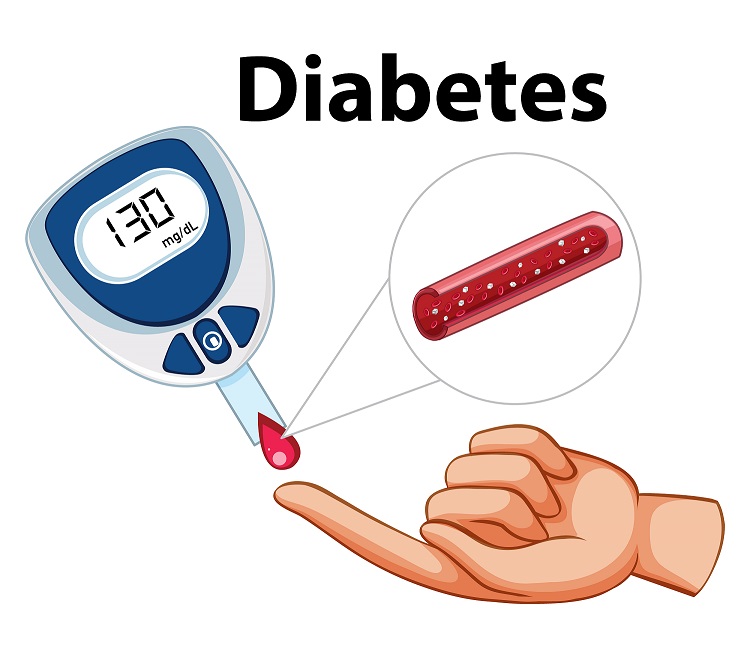
Maintaining healthier blood sugar levels is essential for overall well‑being. Whether you’re managing diabetes, prediabetes, or simply aiming for better energy and health, learning how to lower your blood sugar naturally can make a significant difference. While medication may be necessary for some, lifestyle choices often play a powerful role in stabilising glucose levels and preventing complications.
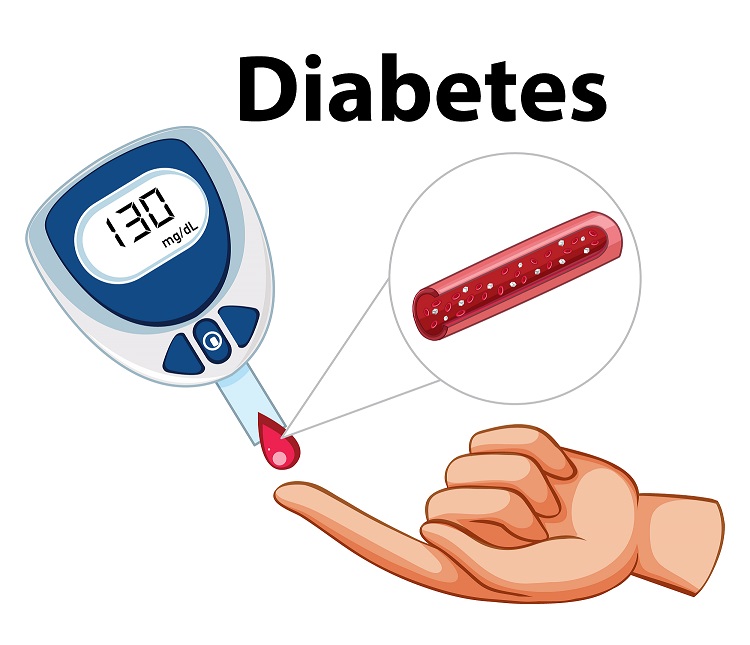
Below are evidence‑based strategies to help you take control of your health and keep your blood sugar in check.
1. Prioritise Physical Activity
Exercise is one of the most effective ways to lower blood sugar naturally. Whenever you move your body, your muscles use glucose for energy, which helps reduce excess sugar in the bloodstream.
- Aerobic exercise, such as brisk walking, cycling, or swimming, improves insulin sensitivity.
- Strength training builds muscle mass, which increases glucose uptake.
- Even short bursts of activity, such as climbing stairs or stretching, can help regulate blood sugar throughout the day.
Aim for at least 30 minutes of very moderate activity most days of the week.
2. Choose Low‑Glycemic Foods
The glycemic index (GI) measures how quickly foods raise blood sugar. Opting for low‑GI foods helps prevent spikes and crashes.
- Best choices: whole grains, legumes, non‑starchy vegetables, nuts, and seeds.
- Limit: refined carbohydrates, sugary drinks, and processed snacks.
Pairing carbohydrates with protein or healthy fats also slows digestion, keeping blood sugar levels more stable.
3. Increase Fibre Intake
Fibre slows down the absorption rate of sugar into the bloodstream, reducing post-meal spikes.
- Soluble fibre (found in oats, beans, apples) is especially effective.
- Insoluble fibre (commonly found in whole grains and vegetables) supports digestive health.
Aim for about 25–30 grams of fibre daily to support balanced glucose levels.
4. Stay Hydrated
Dehydration can raise blood sugar levels. Drinking enough water helps your kidneys flush excess glucose from your body through urine.
Replace sugary beverages with plain water, herbal teas, or lemon- or cucumber-infused water.
5. Manage Stress Levels
Stress hormones, such as cortisol, can pump blood sugar levels. Chronic stress makes it tougher for your body to regulate glucose effectively.
Natural stress‑management techniques include:
- Yoga and meditation
- Deep breathing exercises
- Journaling or mindfulness practices
- Spending time in nature
6. Get Quality Sleep
Poor sleep affects insulin sensitivity and increases cravings for sugar-rich foods. Adults should aim for 7–9 hours of proper restful sleep each night.
Set a calming bedtime routine, limit your screen time before bed, and also make your sleep environment cool and dark.
7. Monitor Portion Sizes
Eating large meals can overwhelm your body’s ability to process glucose. Smaller portions and balanced meals throughout the day help maintain steady blood sugar levels.
Try mindful eating practices. Slow down, savour each bite, and stop whenever you feel full and satisfied, rather than overly full.
8. Add Natural Supplements (With Caution)
Certain nutrients may support healthy blood sugar levels:
- Magnesium improves insulin sensitivity.
- Chromium helps regulate carbohydrate metabolism.
- Probiotics support gut health, which influences glucose control.
Always consult a healthcare professional before adding these supplements to your routine.
9. Practice Mindful Eating
Mindful eating means paying attention to what, when, and how you eat. Avoid distractions like TV or phones during meals, and focus on hunger and fullness cues. This reduces overeating and helps stabilise blood sugar.
10. Incorporate Yoga and Holistic Practices
Yoga combines movement, breathwork, and mindfulness, all of which support healthy blood sugar regulation. Certain poses stimulate the pancreas, improve circulation, and reduce stress.
Practising yoga regularly not only lowers blood sugar but also impacts your overall physical and emotional well‑being.
Why Natural Approaches Matter
Learning how to lower your blood sugar naturally empowers you to take control of your health. These lifestyle changes don’t just improve glucose levels, they also reduce the risk of heart disease, obesity, and other chronic conditions.
While medical treatment may still be necessary for some individuals, natural strategies provide a strong foundation for long‑term wellness.
Final Thoughts
Lowering blood sugar naturally is about consistency, not perfection. Small, daily choices like choosing whole foods, moving your body, and managing stress add up to big results over time.
If you’re ready to take the next step in your wellness journey, explore the holistic practices offered at Sawant Yoga. Their programs combine yoga, mindfulness, and lifestyle guidance to help you achieve balance, reduce stress levels, and support healthy blood sugar levels.
Take charge of your health today. Visit Sawant Yoga and discover how natural practices can transform your life.