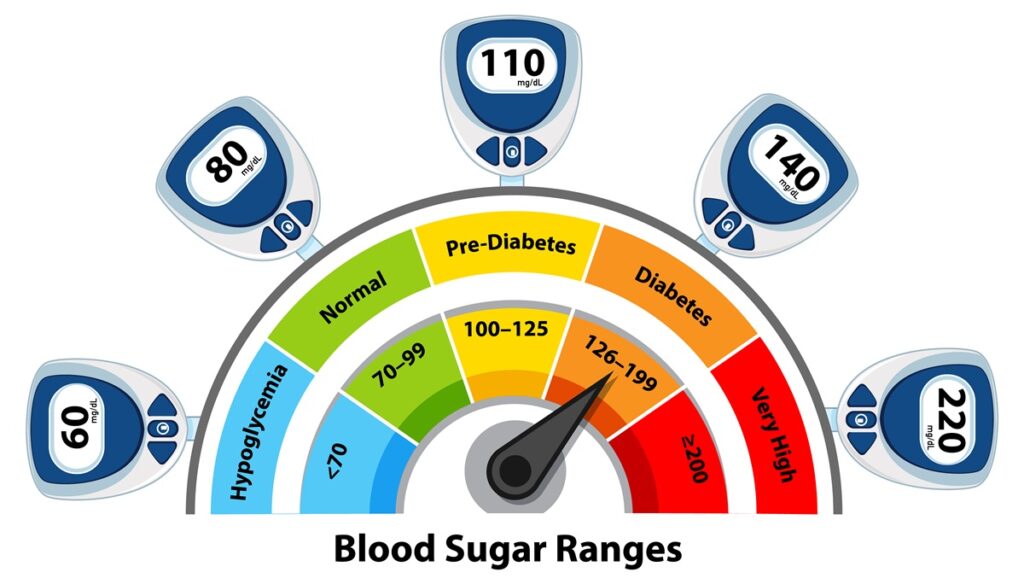
Managing blood sugar levels has become a major global health priority. According to the International Diabetes Federation (IDF), over 537 million adults today are living with this health concern all over the world, and the vast majority of cases are the Type 2 diabetes. With diabetes rates continuing to rise, many people are searching for natural ways to improve insulin sensitivity and support healthier glucose levels.
One question that frequently comes up is: Can lemons help?
If you’re looking for how to lower blood sugar levels naturally, lemons may be one of the simplest additions to your daily routine. Growing research suggests that their unique combination of fibre, antioxidants, vitamin C, and citrus flavonoids may support glucose metabolism, appetite regulation, and overall metabolic health when incorporated into a healthy lifestyle. Research on lemon-derived flavonoids has even shown improvements in blood sugar markers and GLP-1 activity in prediabetic individuals.
Why Blood Sugar Control Matters
Blood sugar regulation is about much more than diabetes prevention. Consistently elevated glucose levels can contribute to:
- Insulin resistance
- Weight gain
- Increased inflammation
- Cardiovascular disease risk
- Nerve damage
- Vision complications
- Kidney problems
Fortunately, lifestyle changes remain one of the most effective tools for improving metabolic health. Nutrition, exercise, stress management, sleep quality, and healthy eating habits work together to support healthier glucose levels and may even help reverse prediabetes in many individuals.
Is Lemon Good for Diabetes?
The short answer is yes; lemon can be an excellent food for people with diabetes.
Lemons are naturally low in calories, sugar, and carbohydrates while being rich in vitamin C and beneficial plant compounds. Their low glycemic impact makes them a smart choice for those trying to reverse blood sugar levels. Additionally, studies suggest that lemon juice may help reduce the glycemic response of carbohydrate-rich meals.
Unlike sweet fruits that may cause larger glucose fluctuations when consumed in excess, lemons add flavour and nutrients without significantly affecting blood sugar.
Nutritional Breakdown of Lemon
One reason lemons are often recommended in diabetes-friendly diets is their impressive nutritional profile.
Per 100 grams of fresh lemon, you get approximately:
- Calories: 29
- Carbohydrates: 9.3 g
- Fibre: 2.8 g
- Protein: 1.1 g
- Fat: 0.3 g
- High levels of Vitamin C
- Powerful antioxidants
- Citrus flavonoids such as eriocitrin and hesperidin
What’s particularly beneficial is that lemons provide these nutrients with very little sugar, making them suitable for individuals trying to stabilise blood glucose levels.
Glycemic Index of Lemon
The Glycemic Index (GI) measures how quickly foods raise blood sugar levels.
The glycemic index of lemon is considered very low, with most nutrition references placing it at approximately 20–22. Foods in this range generally have minimal effects on blood glucose levels.
Lemons also have a very low glycemic load, meaning they contribute little to overall glucose exposure.
This makes lemon an ideal ingredient for:
- Diabetes-friendly diets
- Weight-loss programs
- Low-carb lifestyles
- Metabolic health improvement plans
How Lemon Affects Blood Glucose Levels in Diabetic Patients
Several mechanisms may explain why lemons can support healthy blood sugar management.
- May Slow Carbohydrate Digestion
The natural citric acid found in lemons can lower the pH of foods. Studies suggest that acidic foods can slow carbohydrate digestion and absorption, leading to a more gradual rise in blood glucose after a meal.
This is especially useful when consuming carbohydrate-rich foods such as rice, bread, potatoes, or grains.
- Supports Better Satiety
The soluble fibre often found in lemons may help improve feelings of fullness and reduce overeating. When blood sugar levels remain more stable, energy crashes and excessive hunger may become less frequent.
- Provides Powerful Antioxidant Protection
Oxidative stress is a big factor in the issue of insulin resistance and diabetes progression. Lemons contain vitamin C and bioactive compounds that help combat oxidative damage and support cellular health.
- May Improve Gut Health
Emerging research today continues to show that gut health plays a critical role in metabolism, insulin sensitivity, and glucose regulation.
Lemon flavonoids may help improve the composition of beneficial gut bacteria, which could, in turn, support better blood sugar management.
The Science Behind Eriocitrin: Lemon’s Powerful Flavonoid
One of the most exciting discoveries in recent years involves a natural lemon compound called Eriocitrin.
This citrus flavonoid is found in both lemon juice and lemon peel and has attracted significant interest in its potential metabolic benefits.
Researchers reported that:
Eriocitrin, a citrus flavonoid that is found in lemon juice and peel, reduces hyperglycemia and improves diabetes-related biomarkers in patients with prediabetes.
In a 12-week double-blind randomised controlled trial, prediabetic participants who received a lemon-flavonoid nutraceutical rich in eriocitrin experienced:
- A 6% decrease in hyperglycemia
- A 22% increase in GLP-1 levels
- Improvements in diabetes-related biomarkers
- Positive changes in gut microbiota associated with metabolic health
These findings suggest that naturally occurring compounds in lemons may contribute to healthier glucose regulation when combined with broader lifestyle interventions.
How to Boost GLP-1 Hormone Naturally
GLP-1 (Glucagon-Like Peptide-1) has become one of the most widely talked-about hormones in diabetes and weight management.
GLP-1 is generated in the gut and helps regulate:
- Blood sugar
- Insulin secretion
- Appetite
- Digestion
- Satiety
Research involving lemon flavonoids found that supplementation was associated with a 22% increase in GLP-1 levels among prediabetic participants.
Higher GLP-1 Activity Can Help:
✔ Improve glucose metabolism
✔ Support better insulin function
✔ Reduce overeating by signalling fullness
✔ Support healthier weight management
Natural Ways to Support GLP-1
In addition to consuming citrus-rich foods, healthy habits that may support GLP-1 activity include:
- Increasing fibre intake
- Eating adequate protein
- Maintaining a healthy gut microbiome
- Exercising regularly
- Getting quality sleep
- Managing stress effectively
Together, these habits form the foundation of a successful natural approach to improving metabolic health.
Also Explore: A Simple Habit That Can Make a Difference
Lemons in a Natural Diabetes Reversal Program
It is important to understand that lemons alone cannot reverse diabetes.
However, they can become a valuable component of a comprehensive Natural Diabetes Reversal Program focused on addressing the root causes of insulin resistance.
The most effective strategies include:
1. Whole-Food Nutrition
Focus on:
- Vegetables
- Lean proteins
- Healthy fats
- Fibre-rich foods
- Low-glycemic carbohydrates
2. Regular Physical Activity
Exercise improves insulin sensitivity and helps muscles utilise glucose more efficiently.
3. Healthy Weight Management
Even modest weight loss can significantly improve blood sugar levels.
4. Stress Reduction
Chronic stress elevates cortisol levels, which can contribute to higher blood sugar.
5. Quality Sleep
Poor sleep is strongly associated with insulin resistance and metabolic dysfunction.
6. Supportive Foods Like Lemon
Adding lemon regularly can help support healthy eating habits while providing beneficial antioxidants and flavonoids.
Final Thoughts
If you’re searching for how to lower blood sugar levels naturally, lemons are a simple, affordable, and science-backed addition to your lifestyle.
Their low glycemic index, antioxidant content, vitamin C, and powerful flavonoids such as eriocitrin may help support healthier glucose metabolism, improve satiety, and even enhance GLP-1 activity. Research has shown that lemon-derived flavonoids can reduce hyperglycemia by approximately 6% and increase GLP-1 levels by about 22% in prediabetic individuals, highlighting their potential to support metabolic health.
Consistent daily habits can create meaningful change over time. Something as simple as adding lemon to your meals may be a small step toward better blood sugar control and overall wellness.
Explore the Natural Diabetes Reversal Program offered by Sawant Yoga Foundation Charitable Trust.
Visit https://sawantyoga.com/ today and register for the Diabetes Reversal Webinar. Whether you are living with prediabetes, type 2 diabetes, or simply want to prevent future health complications, this webinar can provide valuable insights and actionable steps to help you move toward better health naturally.