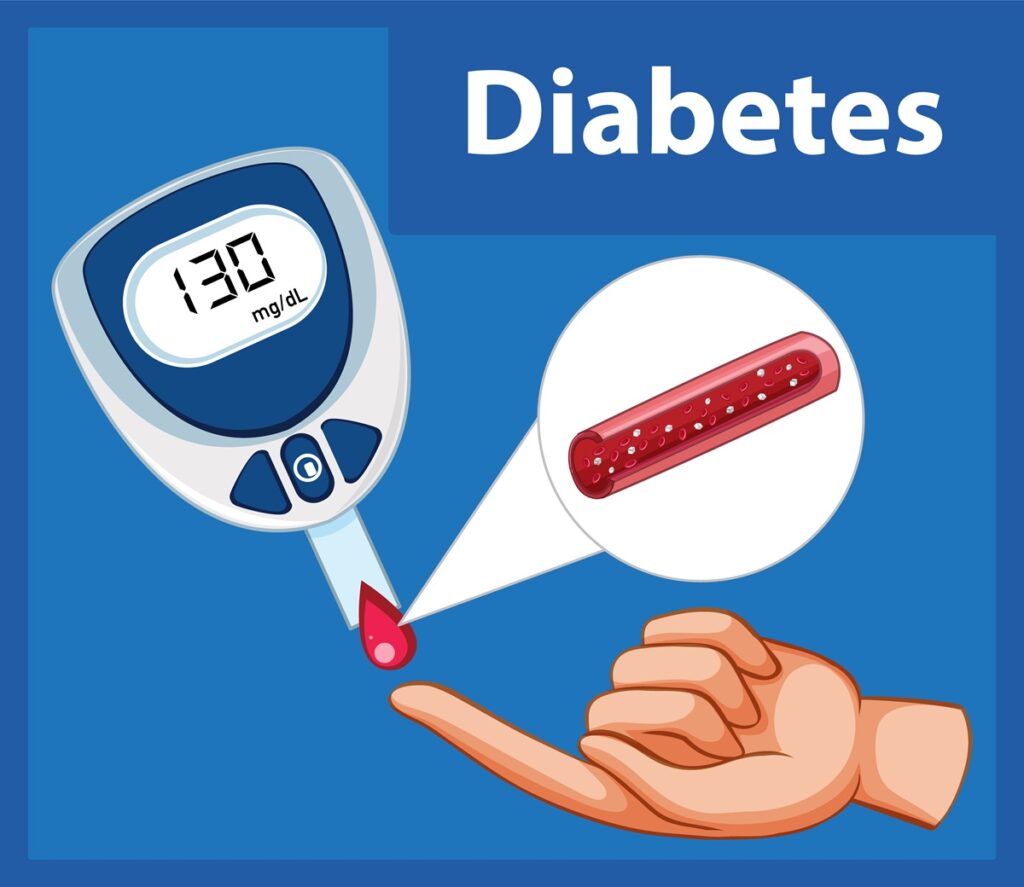
When we think of mangoes, it’s usually the sweet, golden fruit that captures all the attention. Mangoes are celebrated worldwide as the “king of fruits,” prized for their flavour and nutrition. Yet, for individuals managing diabetes, it’s not the fruit but the leaves that hold remarkable value. In Ayurveda, mango leaves have long been considered a potent natural remedy, used for centuries to balance blood sugar and aid overall metabolic health. Modern science is now catching up, uncovering how these humble leaves may help in efforts to reverse diabetes.
Nutritional Value of Mango Leaves
Mango leaves are packed with bioactive compounds that make them nutritionally significant. Rich in Vitamins A, B, and C, as well as minerals like calcium and magnesium, they also contain powerful antioxidants. The star compound here is mangiferin, a polyphenol known for its broad range of biological activities. These nutrients and phytochemicals contribute to the leaves’ ability to promote metabolic health and regulate your body’s blood sugar levels.
Effect of Mango Leaves on Treating Diabetes
Research suggests that mango leaves may help in reversing diabetes by reducing blood sugar spikes and improving glucose tolerance. The leaves help regulate carbohydrate metabolism, which is important for people struggling with insulin resistance. Drinking mango leaf tea regularly may help stabilize blood sugar levels, considering it a valuable addition to a diabetic-friendly diet.
Insulin Sensitivity & Glucose Absorption
One of the key challenges in diabetes management is insulin resistance, in which your body’s cells fail to respond effectively to insulin. Mango leaves tea has been shown to enhance insulin sensitivity (IR), allowing cells to absorb glucose more efficiently. This not only helps reduce excess sugar in the bloodstream but also increases overall energy levels. By supporting glucose absorption, mango leaf tea may help reverse the progression of diabetes naturally.
Mechanism of Mangiferin on Improving IR
The compound mangiferin plays a central role in the therapeutic potential of mango leaves. Research indicates that mangiferin improves insulin resistance (IR) by regulating free fatty acid (FFA) metabolism in HepG2 and C2C12 cells. This mechanism is vital because excess FFAs are linked to impaired insulin signalling. By modulating FFA metabolism, mangiferin helps restore proper insulin function, thereby lowering blood sugar levels and boosting metabolic health.
Biological Activities of Mangiferin
Mangiferin is not merely beneficial for diabetes but also offers a wide spectrum of health-promoting properties. It has been documented to possess:
- Anti-inflammatory effects, reducing chronic inflammation often associated with diabetes.
- Antioxidant properties, protecting cells from oxidative stress.
- Hypolipemic activity, lowering cholesterol and triglyceride levels.
- Antihyperglycemic effects, directly reducing elevated blood sugar.
Together, these biological activities make mangiferin a powerful natural compound for holistic health improvement.
How to Make Mango Leaves Tea?
Preparing mango leaves tea is simple and can easily be incorporated into your daily habits:
- Collect fresh mango leaves — ideally young and tender ones.
- Wash thoroughly to remove dust or impurities.
- Boil 8–10 leaves in about 2 cups of water for 10–15 minutes.
- Strain the liquid and allow it to cool slightly.
- Drink it warm, preferably on an empty stomach in the morning.
For added flavour, you can mix in a teaspoon of honey or just a slice of lemon, though it’s best consumed plain for maximum benefits.
Video Reference: A Practical Guide
This video reference: Best Summer Drink for Blood Sugar Control, provides a step-by-step guide on preparing mango leaves tea and explains how it supports blood sugar regulation. It highlights the traditional use of mango leaves in managing diabetes and connects it with modern scientific findings, making it a helpful resource for beginners who want to see the preparation process in action.
Lifestyle Integration
While mango leaves tea shows promise, it should be seen as part of a broader lifestyle approach. Combining the tea with a balanced diet, regular exercise, stress management, and medical guidance can significantly enhance its effectiveness. Natural remedies work best when integrated into a holistic wellness plan rather than being relied upon in isolation.
Conclusion
The potential of mango leaves tea to reverse diabetes lies in its ability to improve insulin sensitivity, regulate glucose absorption, and harness the power of mangiferin. With its anti-inflammatory, antioxidant, hypolipemic, and antihyperglycemic effects, mango leaves tea offers a natural, accessible, and effective way to support metabolic health.
If you’re ready to take the next step in your wellness journey, don’t miss the Free Webinar at Sawant Yoga. This session will guide you through natural approaches to managing diabetes, including practical tips on nutrition, yoga, and lifestyle changes. It’s a great opportunity to learn directly from experts and start building a healthier future. Visit https://sawantyoga.com/ today!