Managing your blood sugar is one of the most important aspects of maintaining long-term health. Whether you’re living with diabetes, prediabetes, or simply aiming to prevent future complications, understanding how to lower blood sugar levels can make a significant difference. Elevated glucose not only affects energy and mood but also increases the risk of heart disease, kidney problems, and nerve damage if left unchecked. The good news is that there are natural, practical steps you can take every day to keep your blood sugar balanced. From smart food choices and regular exercise to stress management and better sleep, these strategies can help you stay in control and support a healthier lifestyle.
Why Blood Sugar Control Matters?
Blood sugar, or glucose, is actually the body’s primary source of energy. It originates from the food we eat, particularly carbohydrate-rich ones. Insulin is a hormone that is generated by the pancreas that helps to regulate glucose by allowing it to enter cells for energy. When this system doesn’t work properly, blood sugar levels surge, increasing the risk of type 2 diabetes, heart disease, kidney damage, and nerve problems.
Learning how to lower blood sugar levels naturally can reduce these risks and improve energy, mood, and long-term health.
1. Exercise Regularly
Physical activity is one of the most impactful ways to lower blood sugar. Whenever you exercise, your muscles use glucose for energy, helping reduce excess sugar in your bloodstream.
- Aerobic exercise (walking, jogging, cycling, swimming) improves insulin sensitivity.
- Strength training builds muscle mass, which increases glucose uptake.
- Short bursts of activity after meals, like a 10-minute walk, can help prevent spikes.
Aim for not less than 150 minutes of moderate exercise per week for optimal results.
2. Choose Low-Glycemic Foods
The glycemic index (GI) measures how quickly foods raise blood sugar. Eating low-GI foods helps maintain stable glucose levels.
- Low-GI options: whole grains, legumes, non-starchy vegetables, nuts, and seeds.
- High-GI foods to limit: white bread, sugary drinks, processed snacks, and refined carbs.
Replacing refined carbs with fibre-rich foods is a proven way to manage blood sugar.
3. Increase Fibre Intake
Fibre slows down digestion and glucose absorption, preventing sharp spikes in blood sugar.
- Soluble fibre (found in oats, beans, apples) helps regulate glucose.
- Insoluble fibre (exist in whole grains and vegetables) supports digestive health.
Aim for about 25–30 grams of fibre daily to support better blood sugar control.
4. Stay Hydrated
Drinking sufficient water helps the kidneys flush excess sugar out of the body through urine. Dehydration can raise blood sugar levels.
- Replace sugary drinks with plain water, herbal teas, or sparkling water.
- Aim for almost 8 to 10 glasses of water daily, adjusting for activity and climate.
5. Manage Stress Levels
Stress triggers the release of different hormones like cortisol, which can raise blood sugar levels. Learning stress management techniques is crucial.
- Mindfulness practices like meditation, yoga, or deep breathing.
- Physical relaxation, such as stretching or walking outdoors.
- Adequate rest to prevent chronic stress buildup.
6. Get Quality Sleep
Poor sleep affects insulin sensitivity and increases cravings for sugary foods. Adults should aim for 7 to 9 hours of sleep per night.
Tips for better sleep:
- Maintain a consistent bedtime routine.
- Limit screen time before bed.
- Keep your sleeping environment cool and dark.
7. Monitor Portion Sizes
Eating large meals can often cause blood sugar spikes. Portion control helps regulate glucose levels.
- Use smaller plates to avoid overeating.
- Balance meals with protein, healthy fats, and fibre.
- Avoid skipping your meals, as this can lead to overeating later.
8. Consider Natural Supplements
Certain vitamins and minerals may support blood sugar regulation:
- Magnesium improves insulin sensitivity.
- Chromium helps glucose metabolism.
- Probiotics may improve gut health and glucose control.
Always consult an expert healthcare professional before starting supplements.
9. Avoid Sugary Drinks
Sugary beverages like soda, energy drinks, and sweetened juices cause rapid spikes in blood sugar. Replace them with healthier alternatives such as water, unsweetened tea, or black coffee.
10. Track Your Blood Sugar
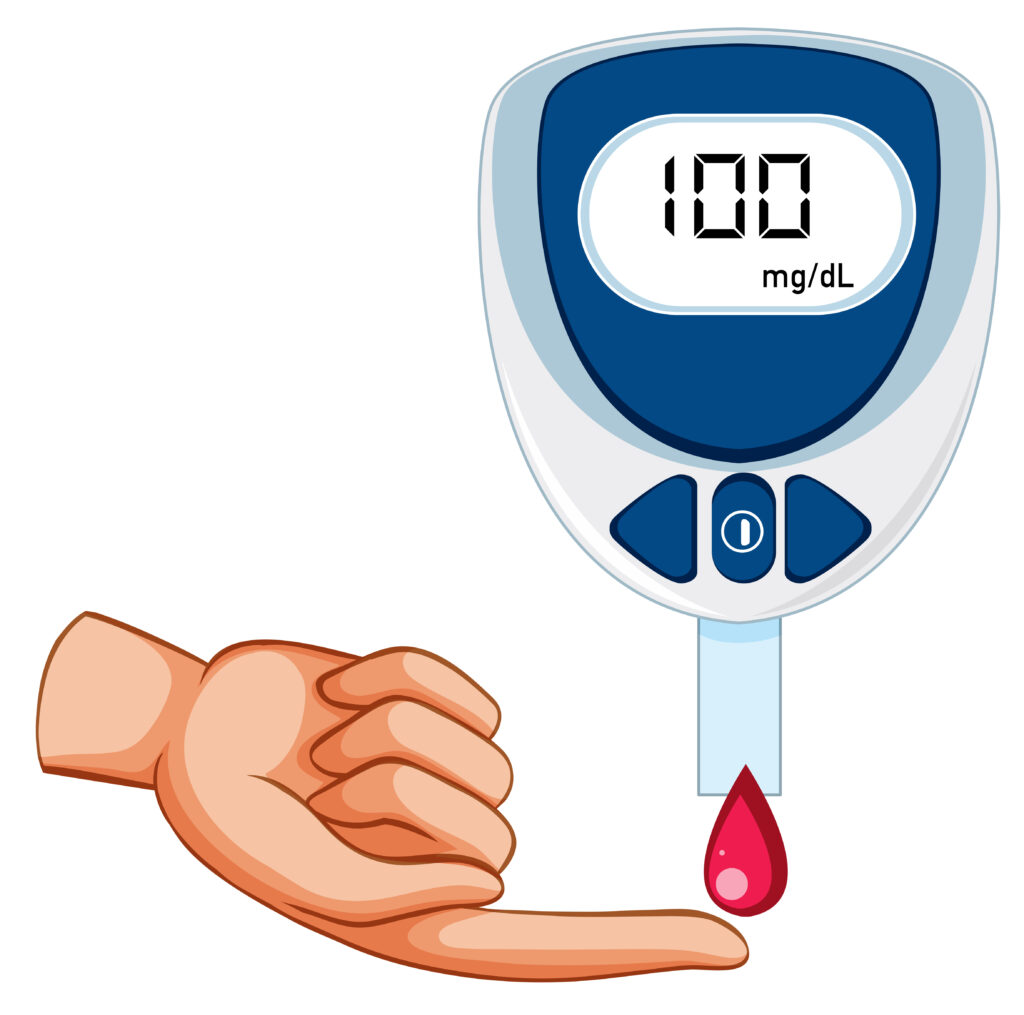
Monitoring your body’s blood sugar levels helps you understand how diet, exercise, and lifestyle choices affect your health. Rely on a glucose meter or continuous glucose monitor (CGM) to stay informed.
Conclusion
Learning how to lower blood sugar levels naturally is about making consistent lifestyle choices. Regular exercises, a balanced diet rich in fibre, hydration, stress management, and good sleep are all powerful tools for maintaining healthy glucose levels. While these strategies are effective, they should complement not replace medical treatment for diabetes or other metabolic conditions. Always consult an expert healthcare professional for personalised advice.
By adopting these habits, you can take control of your health, reduce the risks of complications from high blood sugar, and enjoy a more energetic, balanced life.
If you’re serious about learning how to lower blood sugar levels naturally and want expert guidance, don’t wait— start your journey today at https://sawantyoga.com/. The Sawant Yoga Foundation offers proven programs like the Rectify Diabetes Reversal Program and the Madhunashni Protocol, helping thousands of people achieve freedom from medicines and insulin through lifestyle changes.